IoT and gateways · Updated October 2026
Simple asset tracking for usage and maintenance
Simple ways to keep track of company assets, from a spreadsheet to a GPS tracker, what each one costs you in effort and money, and how the records help you use and maintain the equipment.
Quick answers
- What is the simplest way to track assets? Paper records or a spreadsheet, which work while the list is short and one person keeps it up to date. More
- Barcode or RFID? Barcodes and scanners cost little and staff already know them; RFID tags are read from a distance and last longer, but the reader costs more. More
- When is GPS worth it? When the asset travels, such as a vehicle or trailer, and you need its position without anyone scanning it; it needs a tracker on each asset and an ongoing fee. More
- How does tracking help maintenance? The records show which assets work hard and which sit idle, so you service, replace or upgrade based on use instead of guesswork. More
What is asset tracking for?
Asset tracking means keeping a record of the company's valuable equipment: what you own, where it is and what state it is in. The record has three jobs. It helps you use each asset fully, it stops assets from going missing, and it tells you when one is due for service.
The same need applies to a five-person workshop and to a company with sites in several countries. What changes is how many assets there are and how often they move, and that decides which method is simple enough to keep up.
Which asset tracking method should you use?
Pick by three things: the type and number of assets, how much detail you need about each one, and the budget for tracking hardware.
Manual records
Paper logs and spreadsheets cost nothing to start and suit a short list of assets that rarely move. Every update is typed by a person, so the record drifts as soon as people get busy.
Tracking hardware and software
Barcodes, RFID, GPS trackers and cameras with machine vision read the asset instead of relying on someone to write it down. Asset tracking software holds the records and the history.
How do barcode, RFID and GPS tracking compare?
Each step up reads the asset with less effort from your staff and costs more per asset.
Barcode scanning
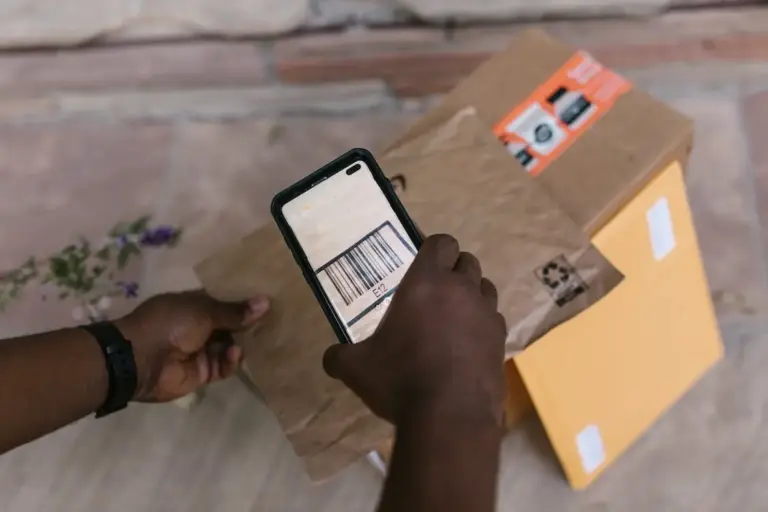
A label with the asset's serial number or ID goes on the item, and a scanner reads it. Barcodes have been in use since the 1970s, scanners are cheap and widely available, and most staff already know how to use them.
Labels are small and fit on almost anything. The limit is that someone has to scan each item for the record to change.
RFID
Radio-frequency identification tags are read by a reader from a distance, so the tag does not have to face the scanner. A tag can hold more data than a barcode, such as the date of manufacture and warranty details, and it stands up to wear better.
The reader costs more than a barcode scanner, and tags can take more work to fit on some assets.
GPS tracking
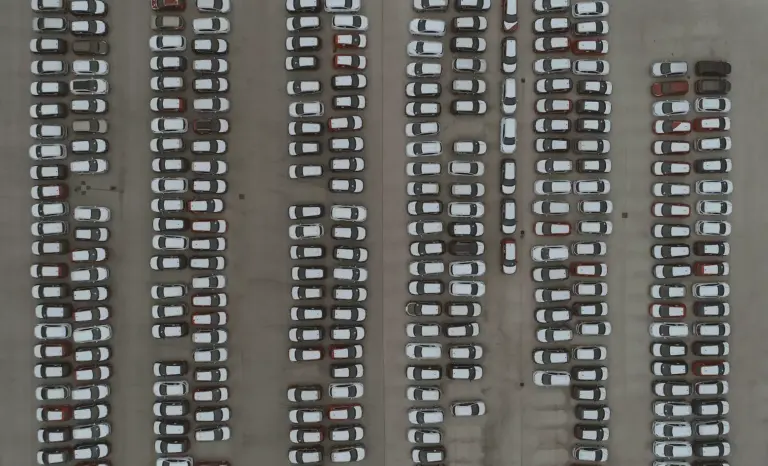
A GPS device on the asset uses satellite signals to report its position as it moves. Transportation, agriculture, logistics and security use it for vehicles, trailers and equipment that leaves the site.
Each asset needs its own tracker, and the service that carries the position back to you has an ongoing fee. Indoors, see our article on how indoor asset tracking works.
| Method | What goes on the asset | How it is read | Main cost | Best for |
|---|---|---|---|---|
| Paper and spreadsheets | Nothing, or a written ID | A person updates the record | Staff time | A short list that rarely moves |
| Barcode | Printed label | Scanner, item by item | Inexpensive scanners | Most inventories, quick start |
| RFID | RFID tag | Reader at a distance | More expensive reader | Long-term tracking, harsh handling |
| GPS | GPS tracker | Reports its own position | Device plus ongoing fee | Vehicles and assets that travel |
How does tracking data improve usage and maintenance?
Once you know where each asset is and how often it is used, four decisions get easier.
Keep enough on hand
A current count of what you own and where it sits tells you when stock runs low and stops duplicate purchases of items that were only misplaced.
Use what you already own
Usage records show which assets work every day and which sit idle. Idle equipment can move to the site that needs it before you buy more.
Service on time
Hours or trips logged against each asset tell you which ones are due for maintenance, and the history shows which ones keep coming back for repair.
Replace or upgrade with numbers
The same records show which assets perform well and which need replacing. They also keep your financial records accurate and show when something has left without permission.
Where this applies at Maxlab
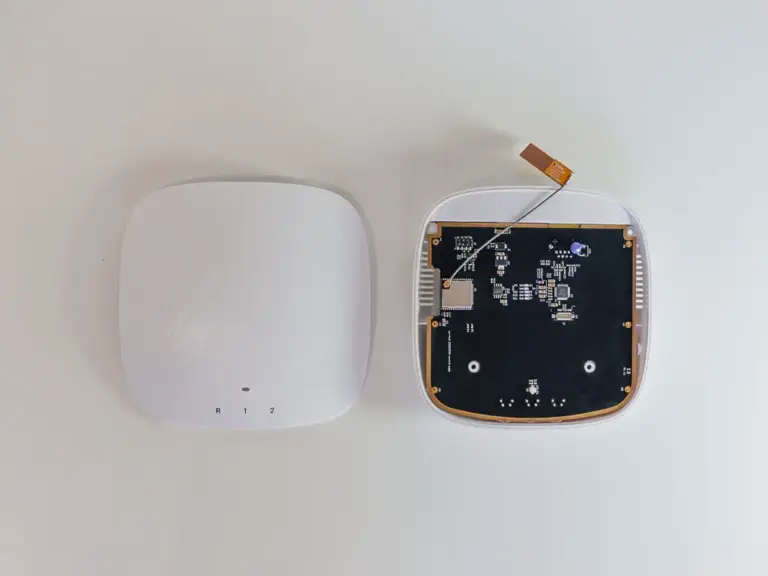
We do not sell an asset tracking product. We build the connected hardware and the platform that tracking systems run on. Our ESP32 gateway has Wi-Fi, Zigbee and Bluetooth LE radios and hands what it hears to your software over MQTT or HTTP; we designed it for a client and 1,750 units shipped. Rainforest IoT, our hosted platform, keeps a device list with last-seen times, shows data on dashboards, raises alerts when a device goes quiet and updates firmware over the air.
Cameras can track assets too: our Tokay Pro runs detection on the camera and reports what it sees instead of streaming video. If you are designing a tracker, a reader or a gateway for your own product, our hardware and firmware services take it from schematic to production. Past projects are on our work page.
- Gateway radios
- Wi-Fi, Zigbee, Bluetooth LE
- Gateway shipped
- 1,750 units
- Device platform
- Rainforest IoT, hosted by Maxlab
- Firmware updates
- Over the air, one device or the fleet
Designing a tracker or gateway of your own
Tell us what the device has to track, how it is powered and where its data should go. We reply within 24 hours.
Or email [email protected] or book a 30-minute call.
Common questions
What is simple asset tracking?
A record of what equipment you own, where it is and what state it is in, kept with the least effort that still keeps it current. For a short list that is a spreadsheet; for a larger one it is usually barcode labels and a scanner feeding asset tracking software.
Is a spreadsheet enough to track company assets?
For a short list of items that rarely move, yes. It starts to fail when assets move between people or sites every day, because each change has to be typed in by hand and the record falls behind.
Is RFID better than barcodes for asset tracking?
It depends on the job. RFID tags are read from a distance and last longer, and they can hold more data. Barcodes are cheaper, the scanners cost less and staff already know them. Many companies start with barcodes and move high-value items to RFID.
Does GPS asset tracking need a subscription?
Usually, yes. Each asset needs its own GPS device, and the service that sends its position back to you carries an ongoing fee on top of the hardware.
Can GPS track assets inside a building?
Not well. GPS relies on satellite signals, which a roof and walls block. Indoors, fixed beacons and tags do the locating; our article on how indoor asset tracking works explains the setup.
How does asset tracking help with maintenance?
Usage logged against each asset shows when it is due for service, and its repair history shows which units keep failing. You can then service on schedule and replace the units that cost the most to keep running.
Can a camera track assets?
Yes, for things it can see. A camera with machine vision reads codes, counts items or spots vehicles, as in our article on cameras for smart parking lots. Detection on the camera itself sends only the result instead of a video stream.
Can Maxlab design a custom tracking device?
Yes. We design connected hardware and firmware from schematic to production, including radios, enclosures and the link to your software or to our Rainforest IoT platform. Send us what the device must track and how it is powered.