Custom electronics and PCB design, from sketch to certified production
We design the board, write the firmware, take the device through FCC and CE and run production with a contract manufacturer. One team of five engineers, since 2020.
The background video shows boards on a production line (solder paste printing, pick-and-place, first-article inspection), then Maxlab's edge AI cameras detecting and tracking objects on the device itself.
What the free 30-minute call gets you
A straight answer on fit. Camera, radio or a tight power budget is what we know best. If your device is outside that, we say so on the call.
A written summary. The device as we understand it, so a misunderstanding is caught before a board is made.
A scoped proposal within a week. The first stage, its price and its timeline, with the files yours at the end of it.
9 monthsfrom the first sketch to the first production batch
$50k–$125kestimated saving on development cost; varies per project
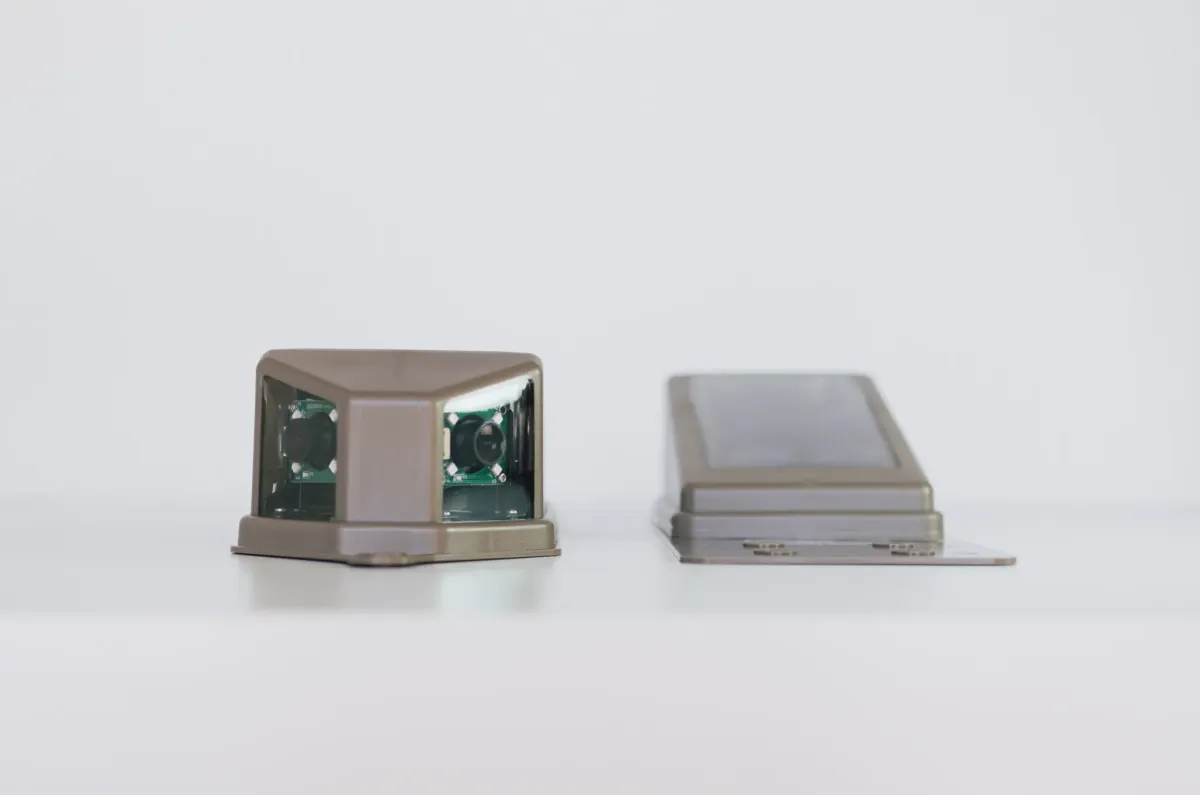
ESP32, two infrared-sensitive cameras, IP68 housing, one battery charge per winterRead the case study →
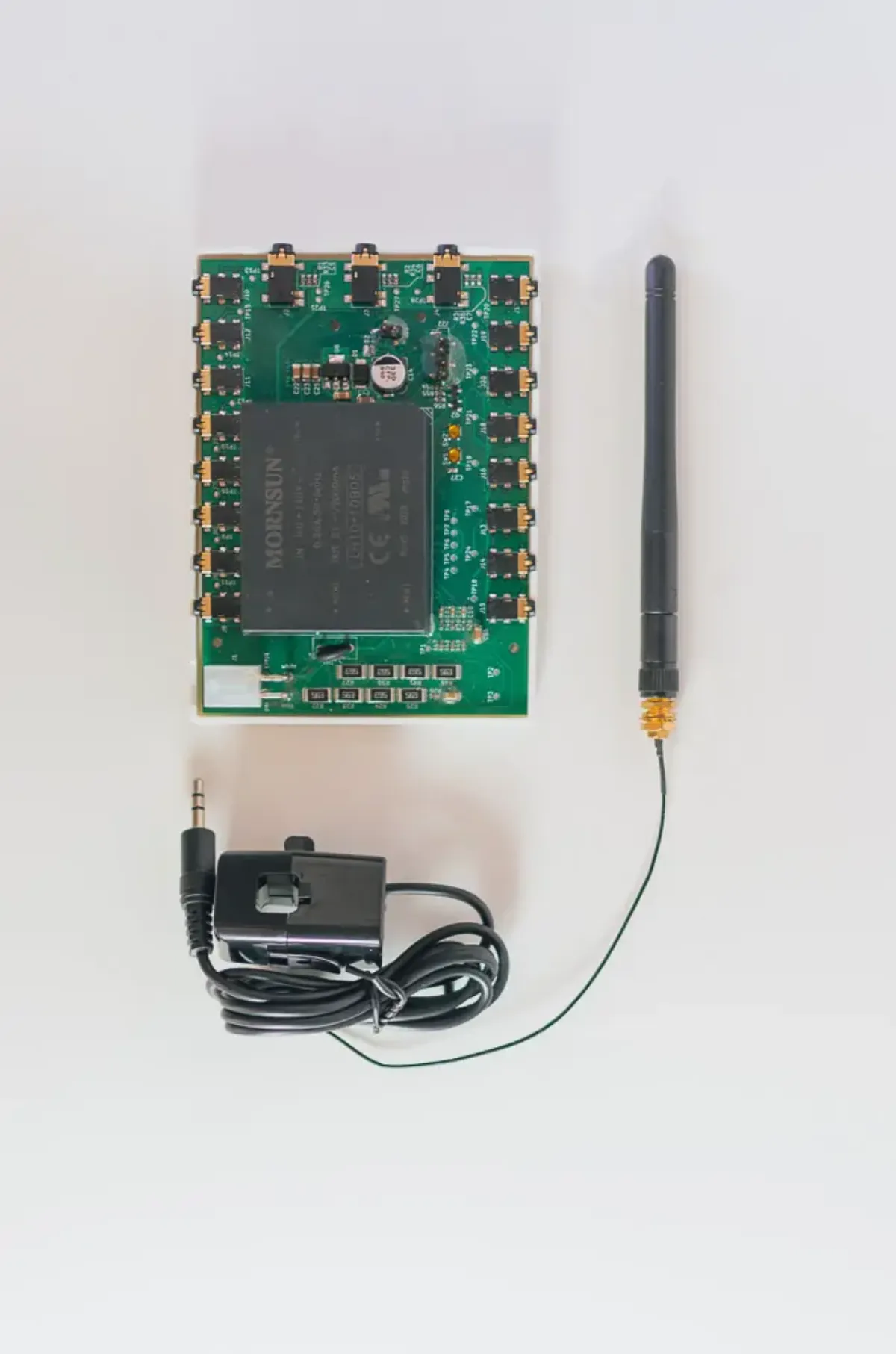
12-channel energy monitor · one US client
2,300monitors built and installed
12 circuitsmeasured at once, with a threshold alert per circuit
12 monthsfrom kickoff to production units, about a year
Analog front end, Wi-Fi and Bluetooth LE, phone app, all by one teamRead the case study →
ESP32 Tuya gateway · one client
1,750gateways in the first production run
4 monthsfrom kickoff to that first run, the fastest of the three
3 radiosZigbee, Wi-Fi and Bluetooth LE on one board
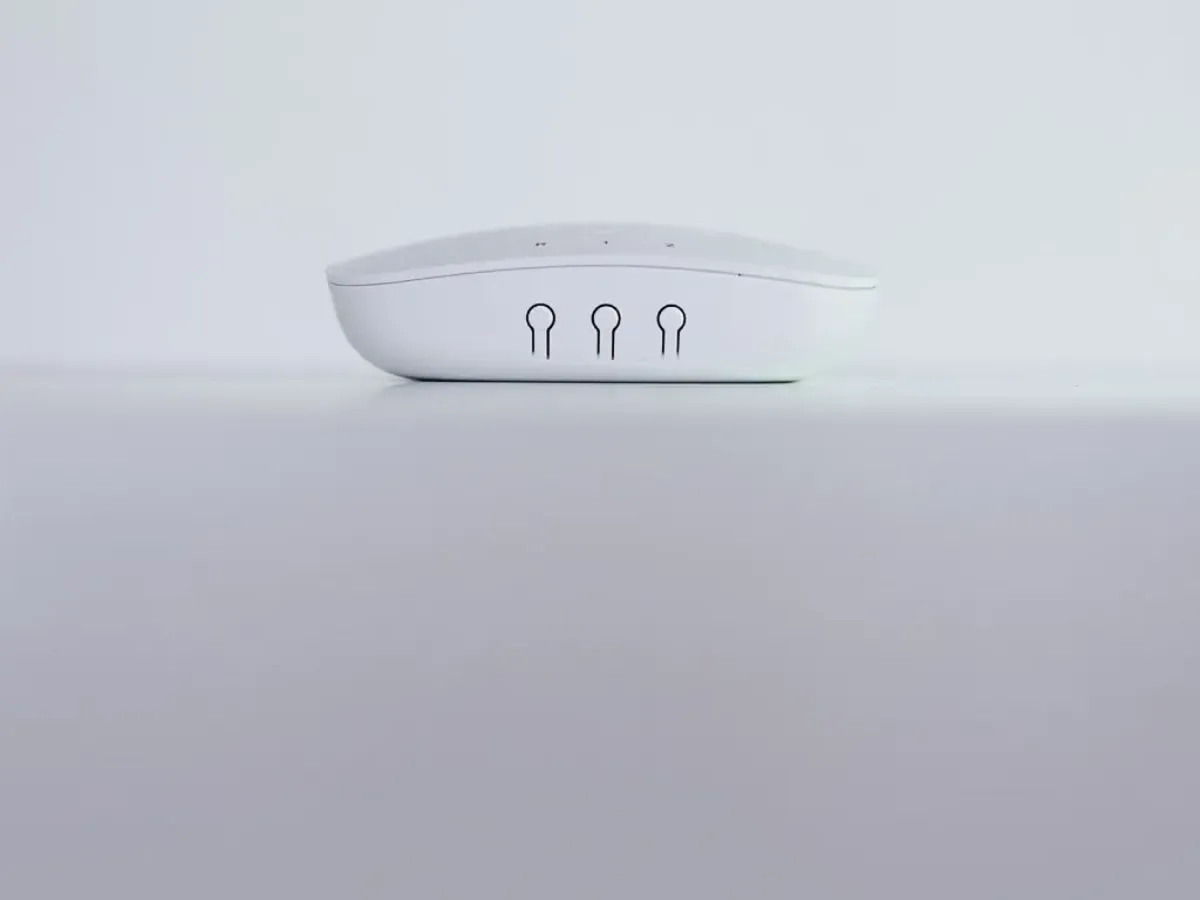
Runs Tuya devices on the local network, with an MQTT and HTTP API and Home Assistant supportRead about the gateway →
One team, or three contractors
The usual alternative to Maxlab is a PCB design shop, a firmware freelancer and a certification consultant, with you in the middle. Here is where that split costs time.
Maxlab's single team compared with hiring three separate contractors
Question
Maxlab, one team
Three contractors
Who coordinates the work
We do. One team of five engineers, one contract.
You do, across three contracts and three schedules.
Board and firmware
Designed together by the same engineers, so the pinout, power budget and radio fit the code.
The board is finished first; the firmware developer finds what it got wrong.
A failed FCC or CE test
The same team changes the layout and the firmware and goes back to the lab.
Each contractor looks at the others' part first.
Production
We run it with a contract manufacturer and inspect the first articles.
A fourth handoff, to whoever takes the files.
Your files
Schematics, layout and firmware source are yours at the end of every stage.
Depends on three separate agreements.
What we design for your device
IoT product development in one team: the same engineers do the board, the firmware, the radio and power design, certification and the production run, so nothing is lost in a handoff between contractors. The diagram is a generic connected device, taken apart; the list follows its parts.
What a connected device is made of, taken apart. Every part is a link to the page about how we design it.
Schematic, part selection and layout in KiCad or Altium, checked for manufacturing before the first board is ordered. You keep the source files at the end of every stage.
C and C++ on the ESP32 family and other microcontrollers, Rust where the job calls for it, and Linux bring-up on NXP i.MX processors. Every device ships with an update path.
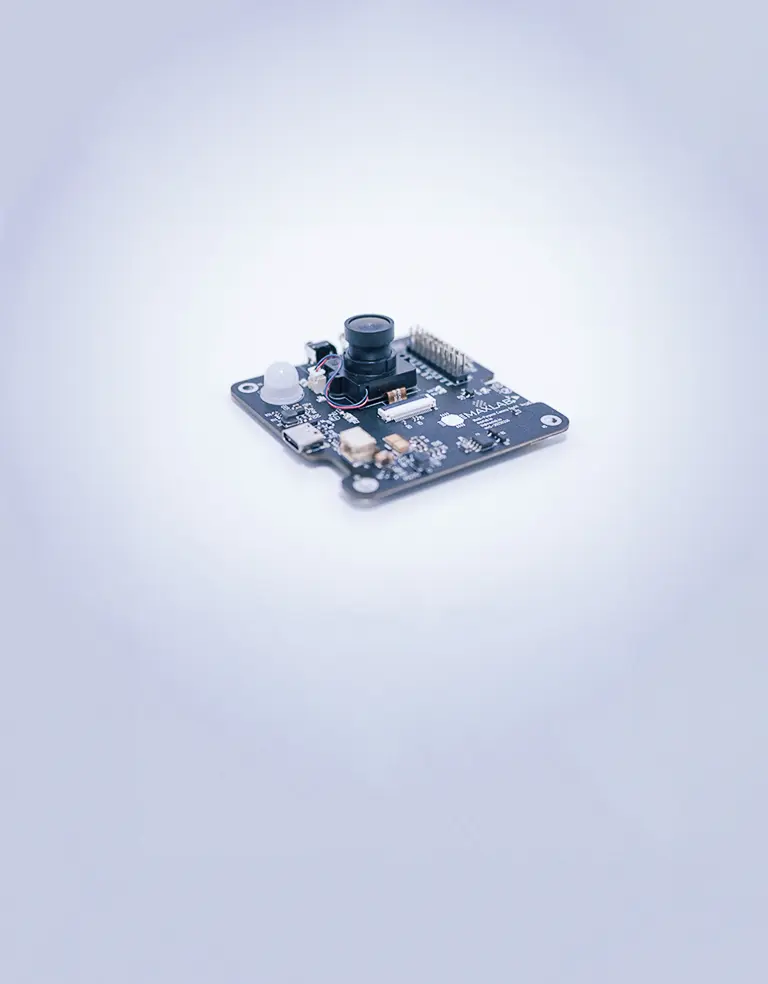
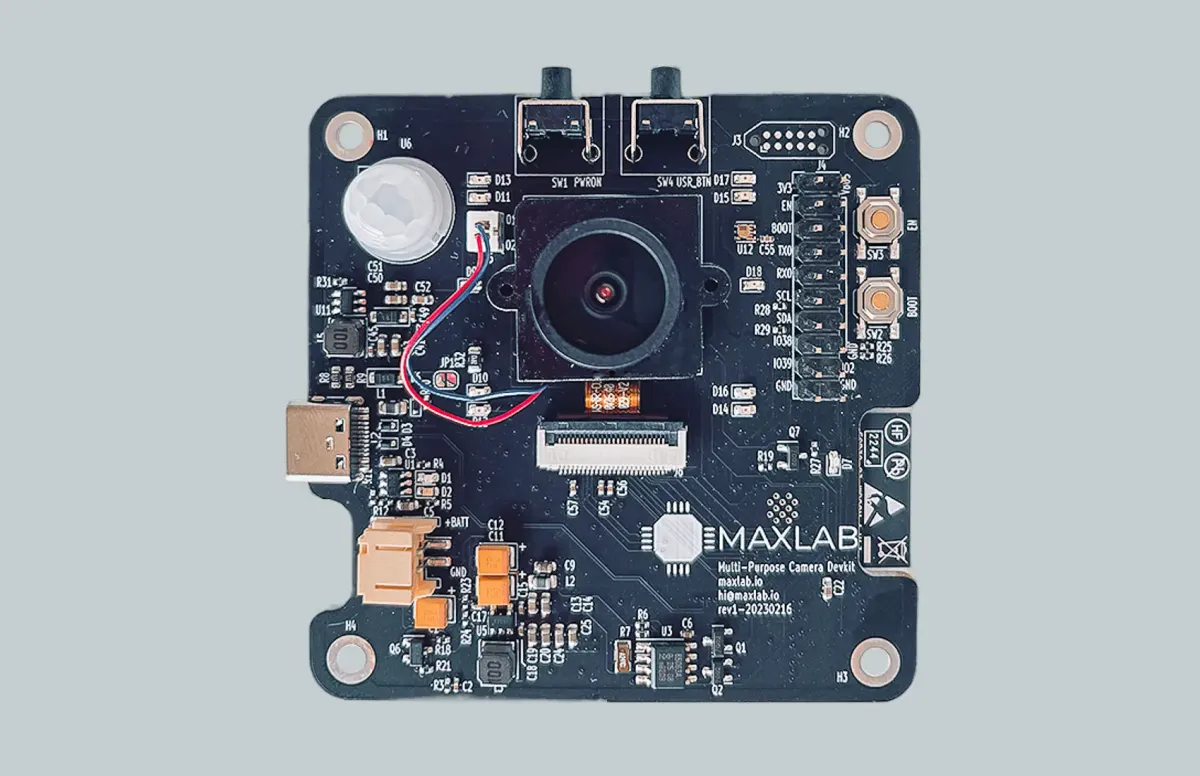
Image sensors with on-device AI, PIR motion sensors, thermal and spectral sensors, current clamps. If the device fits Tokay Lite or Tokay Pro, the schematic, layout and firmware already exist and we change only what differs.
Wi-Fi, Bluetooth LE, Zigbee or a cellular module. We use a pre-certified module where one fits, so the finished product needs only the cheaper emission tests.
Sleep current decides battery life. We design the power path and the sleep schedule, then size the battery or solar panel from the radio's duty cycle. The roof camera runs a winter on one charge.
We design to FCC, ISED and CE limits from the first schematic, take the device through an accredited lab, and run production with contract manufacturers in Canada, the US and Asia.
MQTT and HTTP into AWS IoT, ThingsBoard, Edge Impulse or your own backend. If you have no backend yet, Rainforest IoT, our hosted platform, gets device data into your system first.
Most projects take three months to a year. Three of the more than 20 devices we have built for clients are drawn on the ruler: four, nine and twelve months from the first call to the first production run.
A pre-certified radio module and an off-the-shelf enclosure make the short end. A custom enclosure, two cameras and several board revisions make the long end. Each stage ends with files or hardware you keep: a written summary after the first call, schematics and layout, assembled prototypes, test reports, the certified design, then the release package for the manufacturer.
We do not publish a price list, because two devices with the same spec sheet can differ several times over in engineering hours.
Three of the more than 20 devices we have built for clients, placed at the month their first production batch shipped. Each lane links to its write-up.
The three projects behind the chart
Device
First call to first batch
Units built
ESP32 Tuya gateway
4 months
1,750
Solar roof camera
9 months
9,500
12-channel energy monitor
12 months
2,300
Devices we have built for
IoT
Robotics
Manufacturing
Energy
Agriculture
Building technology
Our products, and the starting point for many projects
Three devices sold under our own name, with the designs published. If your device fits one of them, we change only what differs and skip most of the schematic and layout stages.
Five engineers, in business since 2020, working remotely with companies across the US and Canada. The same team does the electronics, the firmware, certification and manufacturing, which is where details get lost when three contractors share a project.
Work you can inspect
The Tokay Lite schematic, layout and SDK are public on GitHub. Read the code before you call.
Your tools, your files
KiCad or Altium, C, C++ or Rust. You own the schematics, layout and firmware source at the end of every stage.
A written summary after the first call
The device as we understand it, so a misunderstanding is caught before a board is made.
We say when it does not fit
Devices with a camera, a radio or a tight power budget are the ones we know best. If yours is outside that, we tell you on the first call.
From the blog
Guides on PCB design, low-power design, battery life and edge AI cameras, and write-ups of our own projects.
Bring a sketch, a spec or a prototype that is not working. We reply within 24 hours, tell you on the call whether it is a fit, and send a scoped proposal for the first stage within a week.
We are an electronics design company for IoT devices: we design the custom PCB and the firmware, take the device through FCC, ISED and CE certification and into manufacturing, and make our own edge AI cameras, Tokay Lite and Tokay Pro. We are a team of five and have been in business since 2020.
Can you develop a custom IoT device from a rough idea?
Yes. Most projects start with a problem rather than a spec: a sensor that must report from a field over a radio, a camera that has to run where there is no mains power. The first call ends with a written summary of the device as we understand it and a proposal for the first stage. Where a part of the design is uncertain, such as battery life, we measure it on development boards before any layout.
Do you work with US companies?
Yes, most of our clients are in the US; we are based in Canada. Projects run remotely over video calls and a shared repository; prototypes and production units travel by courier. Devices are certified for the markets you sell in: FCC for the US, ISED for Canada, CE for Europe.
Who do you work with?
Startups, mid-size companies and enterprises in the US and Canada, mostly in manufacturing, energy, agriculture, robotics and building technology. The common thread is a device with a camera, a radio or a tight power budget.
How much does it cost to develop an IoT device?
It depends on the number of board revisions, how much firmware the device needs, whether it has a camera or a radio, which certifications it needs and how many units you plan to build. Two devices with the same spec sheet can differ several times over in engineering hours, so we do not publish a price list. After a 30-minute intro call we send a scoped quote for the first stage.
How long does it take to go from idea to production?
Most projects take three months to a year from first sketch to the first production batch. Our Tuya gateway took four months; the solar roof camera took nine; the 12-channel energy monitor took about a year. Devices that need several certifications or a custom enclosure take longer.
Do you handle FCC and CE certification?
Yes. We plan for certification from the first schematic and arrange testing with an accredited lab for the markets you sell in. Where the design uses a pre-certified radio module, such as the ESP32 modules we build on, the end product needs only the unintentional-radiator tests, which are cheaper and faster.
Do you offer PCB design on its own?
Yes. If you have the firmware and the enclosure covered, we take the board from schematic to assembled prototypes: part selection, layout in KiCad or Altium, a manufacturability check and the fabrication files, all of which you keep. Schematic and layout for a simple two- or four-layer board take two to four weeks. The PCB design services page describes each step.
Do you handle manufacturing?
Yes. We work with contract manufacturers in Canada, the US and Asia, and we supervised the solar roof camera's ramp-up to 9,500 units.
Can you adapt Tokay Lite instead of designing a new board?
Yes. If your device fits Tokay Lite's envelope, an ESP32-S3 camera with Wi-Fi, Bluetooth LE, IR night vision and a motion sensor, we change only what differs: the sensor, the enclosure, the power input or the firmware. That removes most of the schematic and layout stages and the time that goes with them.
Do you sign NDAs, and who owns the design?
We sign an NDA before the first call if you want one. You own the schematics, layout files and firmware source at the end of the project, and at the end of each stage if you stop earlier.